Durable Solutions Using High Quality Gabion Wall Systems
Release time:2026-02-12 Click:12
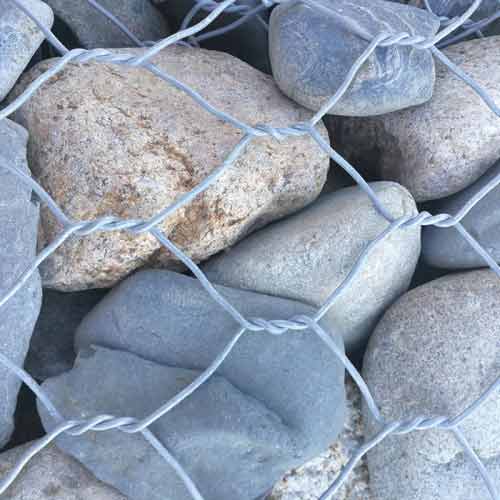
High-quality gabion wall systems have emerged as a paradigm of durable, sustainable, and aesthetically pleasing solutions for modern construction and landscaping challenges. Comprising wire mesh containers filled with natural or recycled stones, these walls leverage the strength of geometry and the resilience of natural materials to deliver unparalleled performance in erosion control, slope stabilization, and structural reinforcement. Their ability to adapt to diverse terrains and environmental conditions makes them a go-to choice for engineers and designers worldwide.
The structural integrity of gabion walls stems from their robust wire mesh framework. Typically constructed from galvanized steel or PVC-coated steel, the mesh boasts a tensile strength of 38–55 kN/m, capable of withstanding significant lateral and vertical pressures. The double-twist weave pattern prevents individual wires from unraveling, even under extreme stress, while the mesh aperture (usually 3–5 inches) allows for optimal stone compaction, ensuring the fill material interlocks to form a monolithic mass. This design disperses forces evenly, reducing the risk of localized failure.
Material synergy enhances durability and environmental compatibility. The choice of fill—ranging from locally sourced limestone and granite to recycled concrete rubble—minimizes transportation costs and carbon footprint. Angular stones provide superior interlocking, increasing compressive strength, while rounded stones improve drainage. The wire mesh’s corrosion resistance (zinc coating of 245–300 g/m2 for galvanized variants) ensures a lifespan of 50+ years in most climates, and PVC coatings extend this to coastal or chemically aggressive environments.
Versatility in application is a hallmark of gabion systems. In civil engineering, they serve as retaining walls for highways, railways, and riverbanks, preventing soil erosion and stabilizing slopes prone to landslides. In landscaping, they double as decorative features, with plant roots growing through the mesh to soften the structure’s appearance and promote biodiversity. For flood mitigation, gabion walls slow water flow, reduce peak flood levels, and allow sediment deposition, restoring natural hydrological cycles.
Installation flexibility simplifies deployment across challenging terrains. Modules are prefabricated off-site and assembled on location using spiral binders or cage clips, reducing on-site labor. The open structure accommodates ground movement, making gabion walls ideal for seismic zones—they deform elastically during earthquakes, avoiding catastrophic collapse. Maintenance is minimal: periodic inspections for mesh damage or sediment buildup suffice, with repairs involving simple section replacements.
By harmonizing strength, sustainability, and adaptability, high-quality gabion wall systems transcend conventional barriers. They offer a durable solution that not only solves engineering problems but also enhances ecological and visual harmony, proving that nature-inspired design can outperform rigid, resource-intensive alternatives.
Previous article:Erosion Control and Landscaping Solutions Using Gabion Wire Mesh
Next article:How Gabion Retaining Wall Transforms Slopes and Landscapes
Hot products
Mobile: +86 13292822131
Email:metalproducts2023@163.com
Email:634049339@qq.com