How Gabion Retaining Wall Transforms Slopes and Landscapes
Release time:2026-02-13 Click:12
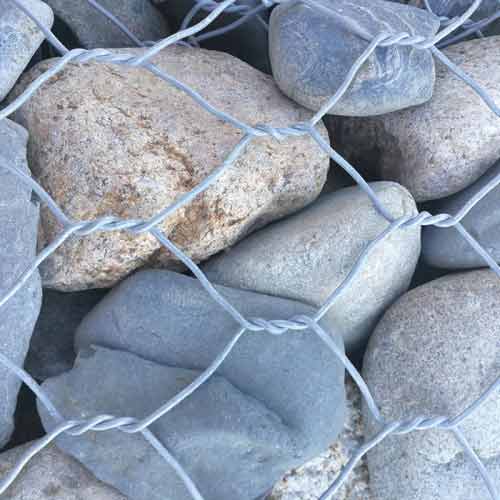
A gabion retaining wall is an eco-friendly slope stabilization structure composed of wire mesh cages filled with stones, designed to resist erosion, manage water flow, and blend with natural landscapes. Derived from the Italian gabbione (“large cage”), these walls have evolved from ancient riverbank protectors to modern landscaping staples, offering a harmonious balance of strength and ecological sensitivity. Their porous design allows water to drain, preventing hydrostatic pressure buildup, while the stone fill provides mass to hold back soil.
The construction of a gabion retaining wall involves assembling rectangular or trapezoidal wire mesh baskets (typically 3x3x6 feet) made from galvanized or PVC-coated steel. These baskets are stacked in tiers, with each layer offset to interlock, and filled with locally sourced stones (granite, limestone, or river rock) packed tightly to eliminate voids. Geotextile fabric is often laid behind the wall to prevent soil migration, and drainage pipes may be integrated to channel excess water.
Applications of gabion retaining walls are as varied as their benefits. In civil engineering, they stabilize highway embankments, railway cuttings, and coastal cliffs. In landscaping, they create terraced gardens, define property lines, or serve as decorative features. For river and stream banks, they absorb wave energy, reducing erosion. Even in urban areas, they are used for sound barriers or as part of green infrastructure projects, supporting plant growth through their stone-filled gaps.
Advantages of gabion retaining walls include their sustainability, durability, and low maintenance. They use natural, locally sourced stone, reducing carbon footprint from transportation. The wire mesh (galvanized for 50+ year lifespan) resists rust, and the stone fill requires no painting or sealing. The porous design prevents waterlogging, and the structure can adapt to ground settlement without cracking. Additionally, they provide habitat for small animals and promote vegetation growth.
Maintenance of gabion retaining walls involves inspecting for mesh damage (tears, corrosion) and stone displacement. Damaged mesh sections are repaired with patch wire, and displaced stones are repacked. Vegetation growing through the mesh can be encouraged for erosion control or trimmed if overgrown. In cold climates, removing ice buildup prevents mesh deformation. Regular checks of drainage systems ensure they remain unclogged.
In essence, a gabion retaining wall is a bridge between human engineering and natural processes. Its ability to stabilize slopes while enhancing biodiversity makes it a preferred choice for sustainable land management.
Previous article:Durable Solutions Using High Quality Gabion Wall Systems
Next article:Construction Techniques for Gravity Gabion Retaining Walls
Hot products
Mobile: +86 13292822131
Email:metalproducts2023@163.com
Email:634049339@qq.com