Product details description
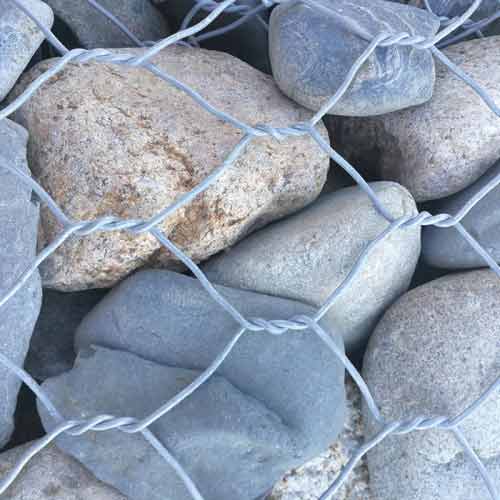
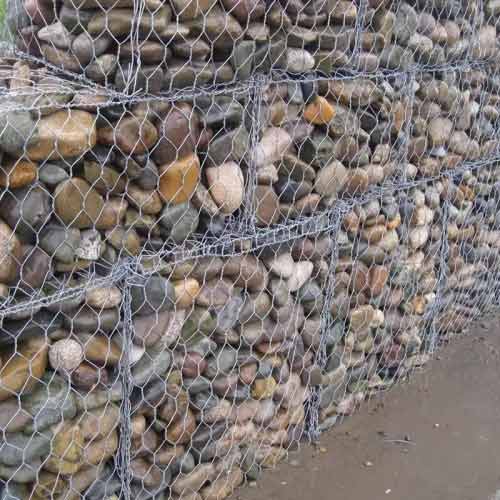
Gabion walls, constructed from wire mesh baskets filled with stone or other
durable materials, are widely used for erosion control, retaining walls, and
landscaping projects. The performance and longevity of a gabion wall are heavily
dependent on its foundation, as a poorly designed or constructed foundation can
lead to wall settlement, tilting, or collapse. Two of the most critical
foundation requirements are ensuring adequate soil bearing capacity and
conducting proper ground preparation. Soil bearing capacity refers to the
maximum load that the soil can support without experiencing excessive settlement
or shear failure, and it is the primary factor determining the size and depth of
the gabion wall foundation.
Assessing soil bearing capacity is a foundational step in gabion wall
design. Different soil types have vastly different bearing capacities; for
example, compacted gravel or sand typically has a high bearing capacity, while
clay or organic soils have lower capacities and are more prone to settlement. A
geotechnical investigation is often necessary to determine the soil composition,
density, moisture content, and shear strength of the site. This investigation
may involve soil sampling, laboratory testing, and in-situ measurements such as
standard penetration tests (SPT) or cone penetration tests (CPT). Based on the
results of this investigation, engineers can specify the required foundation
depth and width to ensure that the total load of the gabion wall (including the
weight of the baskets, stone fill, and any applied loads such as backfill
pressure or water pressure) is distributed evenly across the soil without
exceeding its bearing capacity.
Proper ground preparation is essential to create a stable base for the
gabion wall foundation. The first step in ground preparation is clearing the
site of all vegetation, debris, and topsoil. Topsoil is typically low in bearing
capacity and prone to organic decomposition, which can cause uneven settlement
over time. Once the site is cleared, the ground must be leveled and compacted to
increase soil density and reduce voids. Compaction can be achieved using
mechanical compactors such as vibratory plate compactors for small areas or
smooth drum rollers for larger sites. The degree of compaction required depends
on the soil type and the design load of the wall; generally, a compaction
percentage of 95% or higher (relative to maximum dry density) is recommended for
gabion wall foundations.
In cases where the natural soil bearing capacity is insufficient,
additional foundation measures may be required to distribute the load more
effectively. One common solution is the use of a gravel or crushed stone base. A
gravel base, typically 150 to 300 mm thick, is placed on top of the compacted
native soil to provide a uniform, high-bearing-capacity surface for the gabion
wall. The gravel should be well-graded (containing a mix of particle sizes) to
ensure good compaction and drainage. For more severe cases of low soil bearing
capacity, such as soft clay or marshy areas, deep foundations such as piles or
caissons may be necessary. Piles transfer the load of the gabion wall to deeper,
more stable soil layers, while caissons provide a larger bearing area to spread
the load.
Drainage is another important consideration in gabion wall foundation
preparation, as excess water in the soil can significantly reduce its bearing
capacity and cause erosion. To prevent water accumulation, a drainage system
should be installed at the base of the foundation. This may include a layer of
permeable gravel or the installation of perforated drainage pipes surrounded by
gravel, which direct water away from the foundation. Additionally, the
foundation should be sloped slightly away from the wall to facilitate surface
water runoff. By addressing soil bearing capacity, conducting thorough ground
preparation, and implementing effective drainage, the foundation of a gabion
wall can be made stable and durable, ensuring the long-term performance of the
wall in its intended application.
Previous article:
Highway Gabion Wall Applications: Roadside Slope Protection and Safety Barriers
Next article:no more