Erosion Control and Landscaping Solutions Using Gabion Wire Mesh
Release time:2026-02-11 Click:12
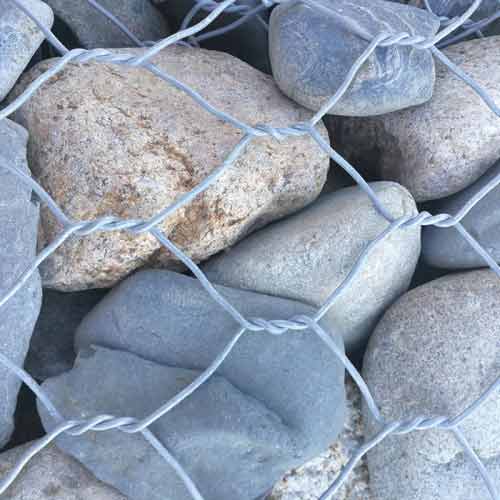
Civil engineering and landscape architecture often face the challenge of soil stabilization and erosion control, where gabion wire mesh has emerged as a highly effective solution. These wire cages, typically made of galvanized steel, are filled with rocks or concrete to create gravity-based structures. The use of gabion wire mesh allows for flexibility and permeability, which are crucial for managing water flow and preventing the buildup of hydrostatic pressure behind retaining walls. Unlike rigid concrete structures, these wire baskets can settle without cracking, making them ideal for uneven terrain.
The durability of gabion wire mesh is largely dependent on the coating and the wire gauge used. Hot-dipped galvanized steel is the standard material, providing a protective layer against rust and corrosion. In more aggressive environments, such as coastal areas or acidic soils, PVC-coated or Galfan-coated wires are utilized to extend the lifespan of the structure. The woven mesh design ensures that even if one wire breaks, the overall integrity of the basket remains intact due to the redundant connections. This self-healing characteristic makes gabion wire mesh a resilient choice for long-term infrastructure projects.
Installation of structures using gabion wire mesh is relatively straightforward and does not require heavy machinery or skilled labor. The mesh cages are assembled on-site, filled with locally sourced stones, and stacked like bricks. This modularity allows for rapid construction and easy repairs; if a section becomes damaged, individual baskets can be replaced without dismantling the entire wall. Furthermore, the aesthetic appeal of gabion wire mesh has led to its increased use in architectural designs, where the natural texture of the stones creates a visually pleasing, rustic look that blends with the environment.
Environmental sustainability is a significant advantage of using gabion wire mesh. Because the cages are filled with natural stone, they promote drainage and allow vegetation to grow through the voids, integrating the structure into the surrounding ecosystem. This permeability supports groundwater recharge and provides habitats for small aquatic organisms. Additionally, the use of recycled concrete or demolition waste as filler material further enhances the eco-friendly profile of gabion wire mesh. It represents a low-carbon alternative to traditional masonry, reducing the need for cement production.
In summary, the versatility of gabion wire mesh extends beyond simple retaining walls to include riverbank protection, channel linings, and even noise barriers along highways. Its combination of structural integrity, drainage capability, and ecological compatibility makes it a preferred choice for modern geotechnical engineering. As urbanization increases the need for flood mitigation and green spaces, the demand for gabion wire mesh is expected to grow, solidifying its role as a cornerstone material in sustainable construction.
Previous article:Why Welded Wire Gabion Walls Outperform Traditional Retaining Walls
Next article:Durable Solutions Using High Quality Gabion Wall Systems
Hot products
Mobile: +86 13292822131
Email:metalproducts2023@163.com
Email:634049339@qq.com