Product details description
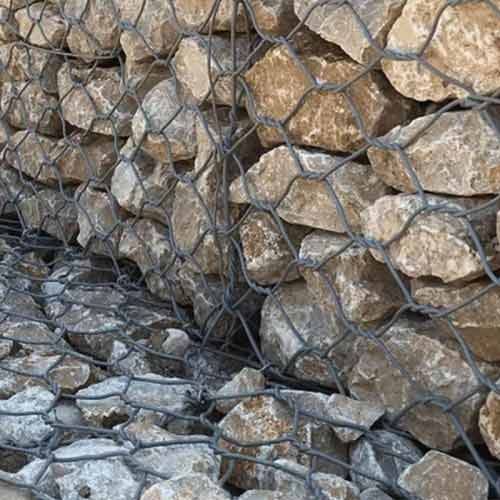
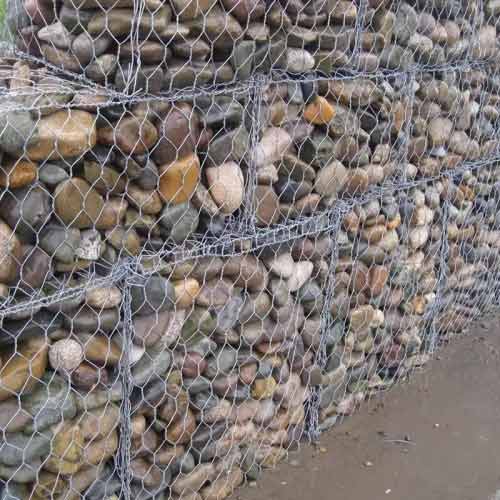
Gabion walls have become a popular solution for coastal erosion control,
offering a robust and aesthetically pleasing alternative to concrete sea walls.
These wire cages filled with rocks or stones are highly effective at dissipating
wave energy, reducing the impact of tides on the shoreline. However, the marine
environment presents unique challenges, particularly concerning corrosion from
saltwater. For a gabion wall to be effective in a coastal setting, it must be
specifically engineered to withstand the harsh, corrosive conditions typical of
seaside locations.
The most critical factor in the durability of coastal gabion walls is the
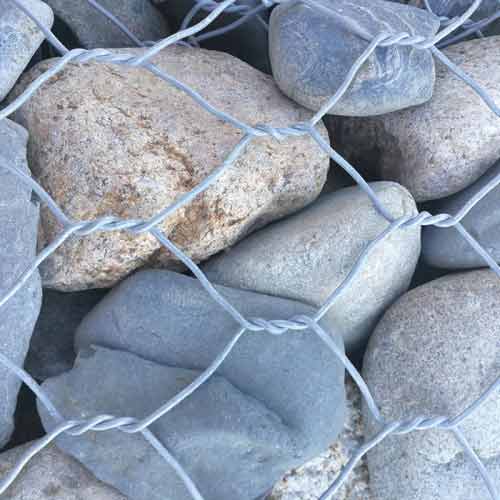
material of the wire mesh. Standard galvanized steel may quickly succumb to rust
and degradation when constantly exposed to salt spray. Therefore, marine-grade
gabions often utilize heavily galvanized wire with a thick zinc coating or,
ideally, Galfan wire (a zinc-aluminum alloy). For the highest level of
protection, PVC-coated wire is frequently used; the plastic coating provides an
impermeable barrier that protects the steel core from the corrosive effects of
saltwater, significantly extending the lifespan of the structure.
In addition to material selection, the design of the gabion wall must
account for the dynamic forces of the ocean. Unlike static retaining walls,
coastal gabions must withstand the relentless pounding of waves and the scouring
action of shifting sands. The fill material inside the baskets must be heavy and
durable enough to resist movement during storms. Often, the stones are carefully
selected and packed tightly to ensure interlock and stability. This structural
integrity prevents the baskets from deforming under the immense hydraulic
pressure of storm surges.
Another consideration for coastal durability is the foundation of the
gabion wall. The soft, shifting sands typical of beaches require a solid
foundation to prevent the wall from sinking or tilting. Geotextile fabrics are
often used beneath the gabions to separate the stone fill from the underlying
soil, preventing the foundation from washing out. Furthermore, the design must
allow for water to flow through the wall freely to prevent hydrostatic pressure
buildup behind it, which could otherwise topple the structure during high tide
events.
Ultimately, the success of coastal gabion walls depends on a combination of
superior materials and intelligent engineering. By utilizing corrosion-resistant
wire mesh and designing for hydraulic stability, these structures provide
long-term protection against erosion. They blend seamlessly with the natural
landscape and offer a sustainable solution that adapts to the changing
conditions of the marine environment. With proper installation and material
specification, gabion walls can offer decades of reliable service in some of the
harshest environments on earth.
Previous article:
Gabion Wall Engineering Design: Structural Stability and Load Distribution Analysis
Next article:
Highway Gabion Wall Applications: Roadside Slope Protection and Safety Barriers