Product details description
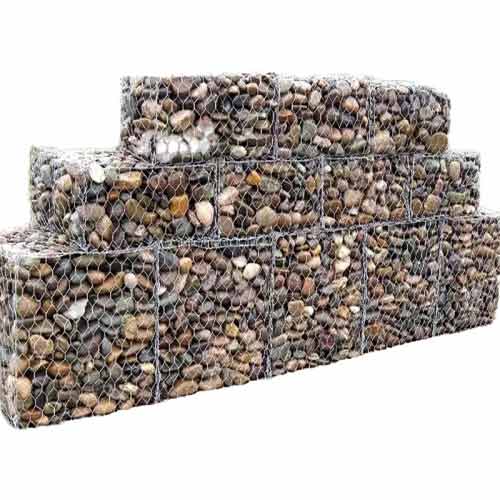
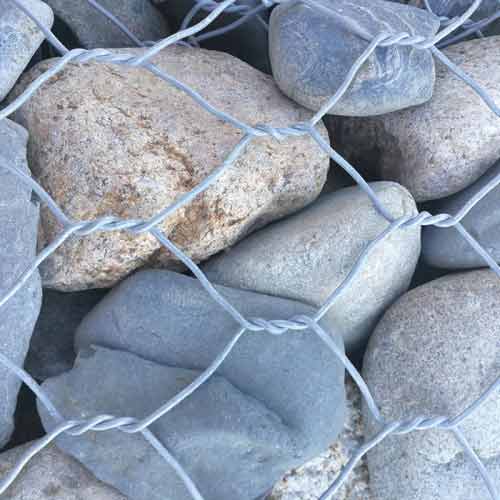
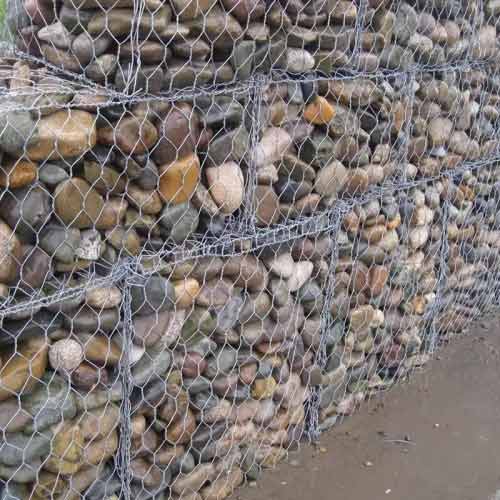
Gabion walls, constructed from wire mesh cages filled with stone or
recycled materials, are increasingly recognized as a cornerstone of sustainable
land development. Their multifunctional design addresses key environmental and
engineering challenges, promoting resilience, reducing ecological footprint, and
integrating seamlessly into natural landscapes.
From an environmental sustainability perspective, gabions excel in erosion
control and stormwater management. Their permeable structure allows water to
flow through freely, reducing surface runoff and hydrostatic pressure that can
cause retaining wall failure. This permeability facilitates natural groundwater
recharge and filters sediment from runoff, improving water quality. Unlike
impermeable concrete walls, gabions do not create the "hardscape" effect that
exacerbates downstream flooding; instead, they manage water in a more natural
hydrological cycle.
The use of local and recycled materials is a core sustainable advantage.
The fill material, typically stone, can often be sourced on-site or from local
quarries, drastically reducing the carbon emissions associated with
transportation. Furthermore, gabions can be filled with recycled concrete,
brick, or other inert demolition waste, diverting material from landfills and
closing the resource loop. The wire mesh cages themselves are often made from
recycled steel and are long-lasting, with a design life of several decades.
Gabion structures promote ecological integration and biodiversity. The
voids between stones provide habitat for insects, small reptiles, and plants.
Over time, vegetation can take root within the wall, creating a "living wall"
effect that further stabilizes the structure, enhances its aesthetic appeal, and
increases local biodiversity. This creates a dynamic, evolving ecosystem rather
than a static, sterile barrier, blending human engineering with natural
processes.
In terms of social and economic sustainability, gabion walls offer benefits
as well. Their construction is typically less energy-intensive than poured
concrete, requiring minimal heavy machinery. They are highly adaptable to site
conditions and can be built in stages. Their durability and low maintenance
requirements translate to long-term cost savings for developments. By addressing
erosion, managing water, using recycled content, and fostering green space,
gabion walls contribute holistically to sustainable site design, making them a
smart choice for eco-conscious land development projects ranging from
residential lots to large-scale public infrastructure.
Previous article:
Reinforcing Landscapes with Gabion Wall Baskets
Next article:
Gabion Wall Engineering Design: Structural Stability and Load Distribution Analysis