Product details description
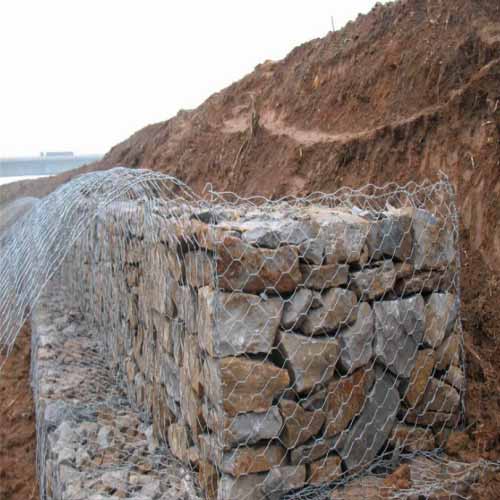
Heavy-duty gabion walls represent advanced retaining structure solutions
for civil engineering applications where conventional gravity walls or
reinforced concrete systems prove inadequate or economically unfeasible. These
wire mesh containers, typically constructed from heavily galvanized or
PVC-coated steel, are filled with durable stone or recycled concrete aggregate
to create massive gravity structures capable of withstanding substantial earth
pressures and hydraulic forces. The flexibility inherent in gabion construction
allows these walls to accommodate differential settlement and seismic movements
that would cause rigid concrete structures to crack and fail. Civil engineers
specify heavy-duty gabion systems for highway embankments, riverbank
stabilization, bridge abutments, and mine site rehabilitation where the
combination of strength, drainage, and constructability provides superior
solutions.
The high-strength characteristics of heavy-duty gabion systems derive from
both the wire mesh construction and the engineered stone fill that together
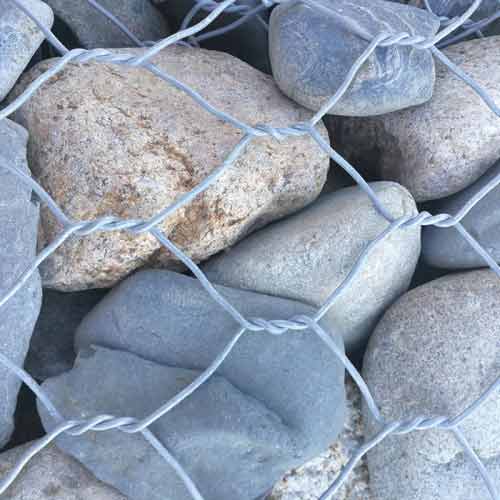
create structures with exceptional load-carrying capacity. Wire mesh gauges for
heavy-duty applications typically range from 2.5 to 3.5 millimeters, with mesh
opening sizes designed to retain specified stone fill while maximizing the
structural cross-section available for load transfer. Connection systems using
galvanized steel wire spirally wound or clipped at all panel joints ensure that
the basket assembly maintains integrity under loading throughout the structure's
design life. Engineering design procedures for gabion walls account for sliding
resistance at the base, overturning stability, bearing pressure on foundation
soils, and internal shear within the stone fill mass. These calculations
demonstrate that properly designed gabion walls can achieve factors of safety
comparable to conventional concrete retaining walls while providing superior
drainage and construction flexibility.
The benefits of heavy-duty gabion walls extend beyond structural
performance to include environmental advantages and construction efficiencies
that appeal to increasingly sustainability-focused civil engineering practice.
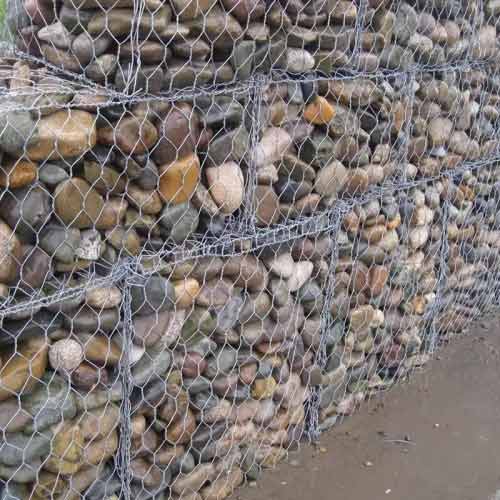
The porous construction of gabion walls allows groundwater to flow through
freely, eliminating the hydrostatic pressure buildup that requires complex
drainage systems behind conventional walls. Plant growth within gabion wall
faces and tops provides habitat value while further stabilizing the structure
through root systems that anchor into the wall mass. Construction of gabion
walls requires minimal equipment compared to concrete wall construction, with
hand placement of stone fill possible in remote locations where concrete
delivery proves impractical. The use of recycled concrete as gabion fill
material further enhances the sustainability credentials of these structures
while reducing the demand for natural stone aggregate in areas where
high-quality stone proves scarce or expensive to transport.
Previous article:
Gabion Wall vs. Concrete Wall: Which Is Better for Your Project?
Next article:
Gabion Wall Drainage Design: Water Management and Hydrostatic Pressure Relief