Product details description
Gabion walls and concrete walls serve as retaining and structural barriers
but differ greatly in composition, flexibility, and environmental impact. Gabion
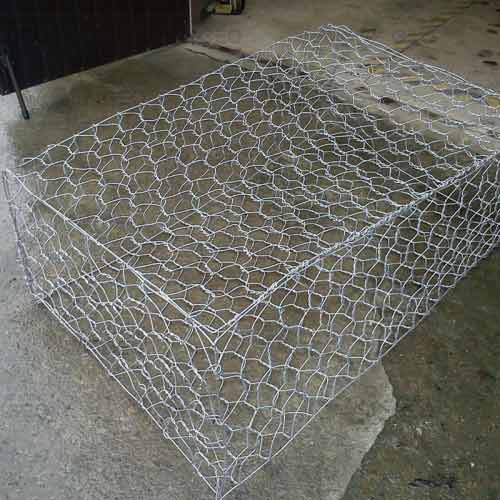
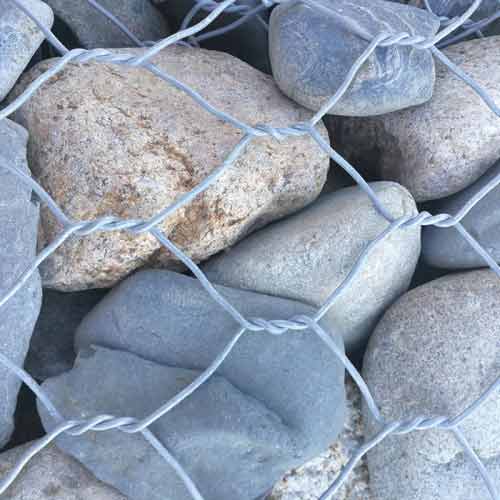
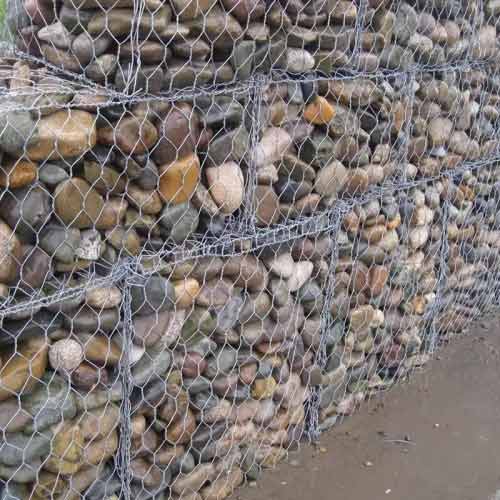
walls consist of wire mesh baskets filled with stones, allowing water
permeability and natural drainage. This prevents hydrostatic pressure buildup
behind the wall, reducing the risk of structural failure in areas with high
rainfall or poor drainage. Concrete walls are monolithic structures, solid and
non-permeable, requiring extensive drainage systems to manage water flow and
prevent cracking from freeze-thaw cycles.
Strength and durability vary by application. Gabion walls are flexible;
they can settle and adapt to ground movement without fracturing, making them
suitable for uneven or expansive soils. Their stone fill provides high
compressive strength while the mesh cage maintains shape integrity. Concrete
walls offer immense compressive strength and are ideal where rigid, high-load
bearing capacity is needed, such as in urban construction. However, they are
prone to cracking under ground shifts or seismic activity if not reinforced with
steel.
Environmental integration is a significant advantage for gabions. The
natural stone facing blends into landscapes, and the voids within the baskets
encourage vegetation growth, promoting ecological balance. Concrete walls
present a stark, industrial appearance and can disrupt local habitats.
Construction-wise, gabion walls are quicker to assemble on-site with minimal
formwork, whereas concrete walls require formwork, curing time, and often heavy
equipment, increasing labor and material costs.
Cost and maintenance considerations tip the balance. Gabion walls generally
have lower initial costs, especially where local stone is abundant, and require
little upkeep beyond occasional inspection for mesh corrosion or stone loss.
Concrete walls entail higher upfront investment and periodic maintenance to
repair cracks and reseal surfaces. For projects emphasizing sustainability,
drainage efficiency, and aesthetic harmony with nature, gabions are often
preferable; where maximum rigidity and load-bearing capacity are paramount,
concrete excels.
Previous article:
DIY Gabion Wall Kits - Easy Assembly for Landscape Projects
Next article:
Heavy-Duty Gabion Walls - High-Strength for Civil Engineering Projects