Product details description
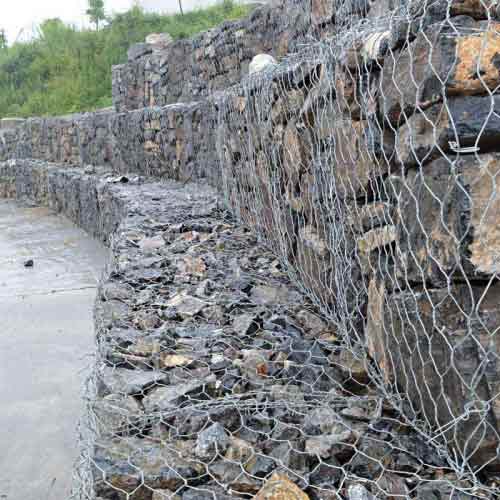
Gabion walls—wire cages filled with stone—are no longer just for massive
civil engineering projects; they have become a favorite DIY material for
homeowners looking to add texture and functionality to their gardens. On a small
scale, a gabion wall can serve as a raised garden bed, a retaining wall for a
sloping lawn, or even a decorative privacy screen. The beauty of DIY gabions
lies in their flexibility; you can build them in curves, spirals, or tight
corners where traditional concrete would be difficult to pour, allowing for
organic, landscape-integrated designs.
For a small retaining wall, the key is the foundation. Unlike large
industrial walls, a garden gabion needs a level base of compacted gravel to
prevent settling and shifting. You can use galvanized welded mesh panels (easier
for DIYers than woven wire) cut to size and assembled with wire ties. For
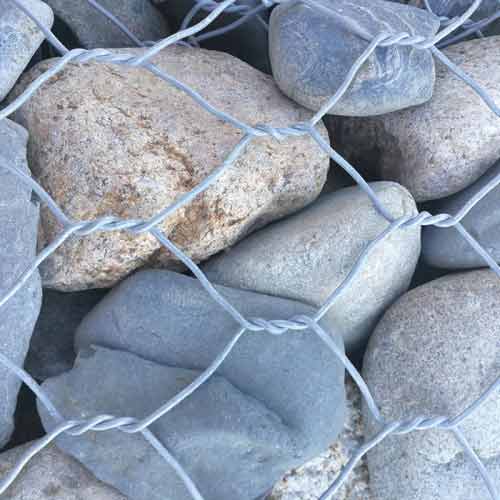
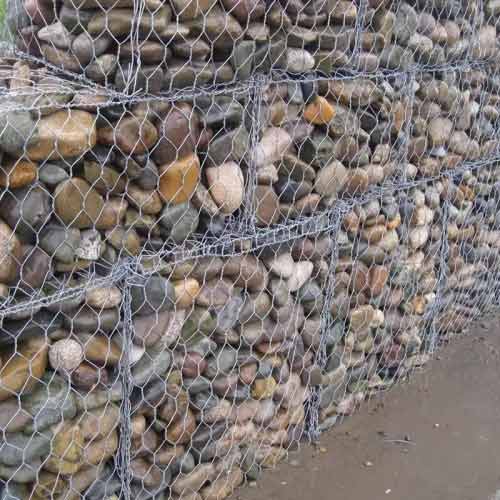
aesthetic appeal, choose stones with interesting colors or textures—river rock
for a smooth look, or crushed granite for a modern, angular vibe. Filling the
cages is a family-friendly activity, but ensure the stones are packed tightly to
minimize voids where soil can accumulate and freeze, which could bulge the wire
mesh over time.
A creative small-scale idea is the "gabion bench." By building a low,
sturdy gabion structure (about 18 inches high) and capping it with a treated
timber or concrete slab, you create instant outdoor seating. The mass of the
stones provides thermal mass, keeping the seat cool in summer and releasing heat
slowly in the evening. You can also use gabions to create a spiral fire pit by
arranging the cages in a decreasing circle and filling the center with
fire-rated glass or lava rocks. This acts as a windbreak while containing the
fire safely.
Another practical application is using gabions as a barrier for utility
areas, such as hiding air conditioning units or trash bin storage. Because
gabions are permeable, they allow airflow to the equipment while blocking the
view. To prevent rust in these humid micro-climates, consider using PVC-coated
gabion baskets or lining the inside of the mesh with landscape fabric before
adding rocks. This extends the life of the wire and keeps the structure looking
clean.
Finally, integrating plants into your gabion project softens the industrial
look. You can plant succulents or trailing ivy in the gaps between the rocks, or
fill the top layer of the cage with soil to create a planter box on top of the
wall. This "green gabion" technique turns a cold wire-and-rock structure into a
living ecosystem. For the best results, use a geotextile fabric behind the wall
to separate the backfill soil from the gabion fill, ensuring drainage without
clogging the stone voids.
Previous article:
How to Build a Durable Gabion Wall: Step-by-Step Guide
Next article:
Gabion Walls: Vegetation Integration and Ecosystem Enhancement