Structural Stability Provided by Gabion Wall Wire Mesh
Release time:2026-03-11 Click:4
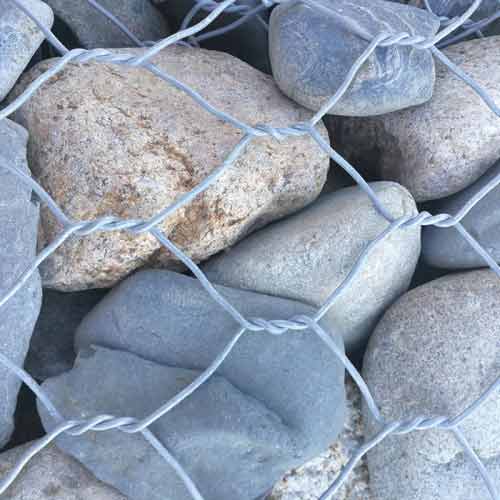
Modern civil engineering and landscape architecture frequently rely on versatile materials to address erosion control and aesthetic design simultaneously. The use of gabion wall wire mesh has emerged as a leading solution for creating durable, permeable structures that blend seamlessly with the natural environment. These mesh cages are filled with rocks, stones, or other hard materials to form massive, gravity-based retaining walls. The wire mesh serves as the critical container, ensuring that the fill material remains in place while allowing water to drain through, thereby reducing hydrostatic pressure behind the wall.
The strength and longevity of these structures are directly linked to the quality of the materials used. High-quality gabion wall wire mesh is typically manufactured from heavily galvanized low-carbon steel wire, which provides exceptional resistance to rust and corrosion. In more aggressive environments, such as coastal areas or sites with high soil acidity, the wire is often coated with a heavy-duty PVC or polymer sleeve. This additional layer of protection ensures that the structural integrity of the wall is maintained for decades, even when exposed to constant moisture and varying weather conditions.
The design of the mesh involves a double-twisted woven pattern, which is a key differentiator from standard welded wire fences. This weaving technique distributes the weight of the stones evenly across the grid. If one wire strand were to break due to impact or corrosion, the double twist ensures that the gabion wall wire mesh will not unravel. This redundancy is a vital safety feature, preventing catastrophic failure of the wall and ensuring that the stones remain securely contained within the basket.
Construction using this material offers significant advantages in terms of flexibility and ease of installation. Unlike rigid concrete walls, structures built with gabion wall wire mesh can accommodate ground movements and settling without cracking or failing. The cages are delivered flat-packed and assembled on-site, then filled with locally sourced stone. This reduces transportation costs and construction time significantly. Furthermore, the gaps between the stones allow vegetation to grow, transforming a structural retaining wall into a living, green ecosystem over time.
Applications for this technology extend far beyond simple retaining walls. Engineers utilize gabion wall wire mesh for channel linings, bridge abutments, and noise barrier walls. In urban settings, designers are increasingly using smaller gabion units to create architectural features, benches, and decorative facades. The aesthetic appeal of natural stone encased in industrial wire mesh provides a rustic yet modern look that is highly sought after in contemporary landscape design.
In summary, the effectiveness of a gabion structure relies heavily on the resilience of its containment system. Gabion wall wire mesh provides the necessary tensile strength and durability to hold tons of rock securely. Its ability to combine structural performance with environmental benefits makes it a superior choice for sustainable construction. As the demand for green infrastructure grows, this material continues to prove its value in both functional engineering and artistic design.
Previous article:Woven Mesh Gabion Wall: Rust-Resistant for Long-Term Outdoor Applications
Next article:Earth Retention Solutions with Durable Gabion Wire Mesh
Hot products
Mobile: +86 13292822131
Email:metalproducts2023@163.com
Email:634049339@qq.com