Eco-Engineering with Gabion Wall Retaining Wall Systems
Release time:2026-02-18 Click:11
The integration of hard engineering with environmental aesthetics has found its champion in the gabion wall retaining wall. Unlike traditional concrete gravity walls, which can be stark and impermeable, gabions consist of wire mesh baskets filled with stone, creating a flexible, porous structure that interacts with its environment. The primary function of a retaining wall is to hold back soil and prevent erosion, but the gabion design goes further by allowing water to drain through the stone fill. This hydrostatic pressure relief prevents the buildup of water behind the wall—the leading cause of retaining wall failure. The result is a structure that is not only stable but also promotes groundwater recharge and provides a habitat for vegetation and small wildlife.
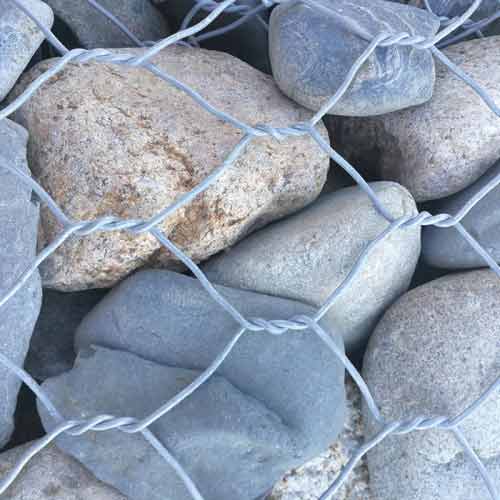
The construction of a gabion wall retaining wall relies on the synergy between the wire mesh and the aggregate. The mesh is typically galvanized steel or PVC-coated to resist corrosion, woven in a hexagonal pattern to prevent unraveling if a wire breaks. The baskets are assembled on-site and filled with durable, angular stones (usually 4 to 8 inches in diameter) that lock together to create a monolithic mass. The flexibility of the wire allows the wall to settle and conform to ground movement without cracking, a significant advantage over rigid concrete in areas with expansive clay or seismic activity. For taller walls, geotextile fabric is often placed behind the gabions to separate the backfill from the native soil, preventing fine particles from washing through the stone voids.
Aesthetic versatility is a defining feature of the gabion wall retaining wall. The choice of stone determines the visual character: river rock offers a smooth, natural look, while crushed granite provides a rugged, industrial texture. In urban landscapes, gabions can be used to create sound barriers along highways, the rough surface diffusing noise waves more effectively than smooth concrete. In residential gardens, they serve as raised planters or outdoor seating, the gaps in the mesh allowing plants to grow through and soften the hard edges. The transparent nature of the mesh also means the wall doesn't block views, making it ideal for slope stabilization where sightlines need to be preserved.
Installation of a gabion wall retaining wall is remarkably accessible for a DIY enthusiast, though professional engineering is recommended for walls over 4 feet high. The process begins with excavating a trench and laying a compacted gravel base to ensure proper drainage. The gabion baskets are then unfolded and laced together with spiral wire. Filling is done with a small excavator or even by hand for smaller projects, ensuring the stones are packed tightly to minimize settling. Once filled, the lids are laced on, and the baskets are stacked like giant bricks. Because no mortar or wet concrete is used, construction can proceed in rainy or freezing weather, a significant logistical advantage.
Finally, the sustainability and cost-effectiveness of the gabion wall retaining wall make it a preferred choice for modern civil engineering. The materials are often sourced locally—stone from nearby quarries and wire from recycled steel—reducing the carbon footprint associated with transport. The permeability of the wall eliminates the need for separate drainage pipes and weep holes, simplifying design and reducing material costs. Over time, the wall becomes colonized by moss and vines, blending seamlessly into the landscape. It is a structure that ages gracefully, requiring minimal maintenance beyond occasional inspection for wire integrity. In an era of climate resilience, the gabion wall stands as a testament to the power of working with nature rather than against it.
Previous article:Build Versatile Structures with Gabion Net
Next article:Municipality Gabion Wall Design Standards
Hot products
Mobile: +86 13292822131
Email:metalproducts2023@163.com
Email:634049339@qq.com