Where Nature Meets Engineering: The Sustainable Power of the Gabion Retaining Wall
Release time:2026-01-17 Click:19
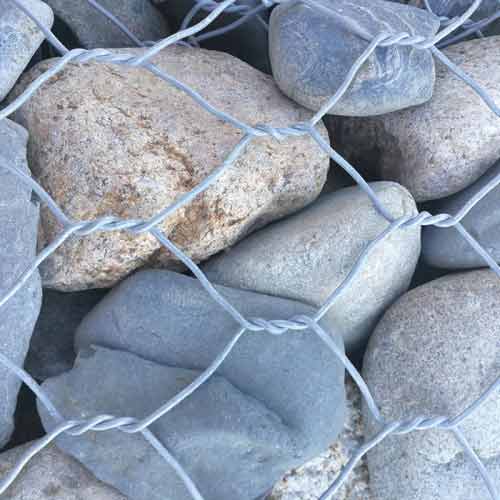
Faced with the dual challenges of soil erosion and urban development, civil engineers and landscape architects are increasingly turning to the gabion retaining wall—a solution that merges ecological sensitivity with structural resilience. Constructed from wire mesh baskets filled with locally sourced stones, these walls stabilize slopes while allowing water to pass through, preventing hydrostatic pressure buildup that often leads to conventional wall failures.
Unlike rigid concrete structures, gabion retaining walls are flexible and permeable. This flexibility enables them to accommodate minor ground settlements without cracking, making them ideal for seismic zones or areas with unstable subsoils. Their permeability supports natural drainage, reduces runoff velocity, and even encourages vegetation growth over time—transforming infrastructure into living landscapes.
The aesthetic versatility of gabion retaining walls has also captured the imagination of designers. The raw texture of exposed stone, combined with the geometric rhythm of the wire cages, creates a visual language that bridges rustic charm and modern minimalism. They are now featured in everything from highway embankments to luxury villa gardens, proving that functional earthworks can be visually compelling.
Sustainability is woven into their very fabric. Most gabion systems use galvanized or PVC-coated steel wire that resists corrosion for decades, while the fill material—often recycled demolition aggregate or quarry waste—diverts debris from landfills. Installation requires minimal heavy machinery, lowering carbon emissions compared to poured concrete alternatives.
Maintenance demands are remarkably low. Even if a section is damaged, individual baskets can be repaired or refilled without dismantling the entire structure. Over time, sediment accumulation and plant roots further reinforce the wall’s integrity—a self-strengthening process rarely seen in traditional engineering.
As climate change intensifies rainfall events and slope instability, the gabion retaining wall offers a resilient, adaptive, and ecologically intelligent response. It stands not as a barrier against nature, but as a collaboration with it—turning erosion control into an opportunity for regeneration.
Previous article:Easy Install Mountain Road Gabion Wall Speeds Up Construction
Next article:Galvanized Park Gabion Wall for Rust Resistance
Hot products
Mobile: +86 13292822131
Email:metalproducts2023@163.com
Email:634049339@qq.com