Municipality Gabion Wall Aesthetic Considerations
Release time:2026-01-10 Click:29
Municipal gabion walls, once valued primarily for their functionality in erosion control and flood mitigation, have evolved into aesthetic landmarks in urban design. These structures, composed of wire mesh baskets filled with stones, now balance engineering needs with visual appeal, transforming public spaces into cohesive green-blue corridors. Municipalities increasingly prioritize integrating gabion walls into landscapes to enhance biodiversity, soften hardscapes, and reflect local cultural identity, turning utilitarian barriers into community assets.
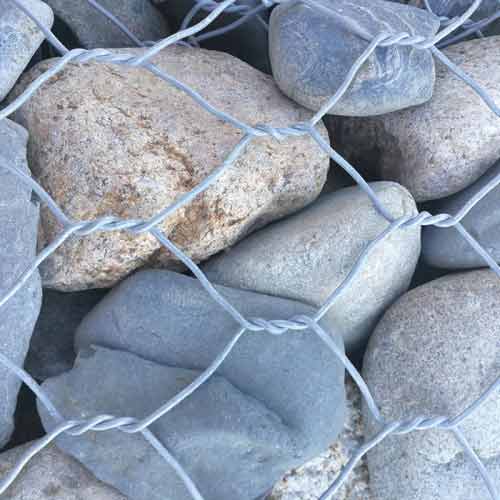
Material selection plays a pivotal role in the aesthetics of gabion walls. Natural stone varieties—such as granite, limestone, or basalt—are chosen for their color variations and textures, which can mimic surrounding geology or create intentional contrasts. Some municipalities opt for recycled materials like crushed concrete or glass aggregate to add sustainability narratives. The wire mesh, typically galvanized or PVC-coated, is selected in colors that either blend with the environment (e.g., earthy tones) or stand out as decorative elements, such as black for a sleek modern look.
Design techniques further elevate gabion walls’ visual impact. Curved or stepped configurations break monotony, while terraced layouts create multi-level planting beds for wildflowers or shrubs. Integrating lighting—LED strips embedded along the mesh or solar-powered path lights—adds drama at night, highlighting the wall’s texture. Artistic touches, like mosaic patterns formed by colored stones or custom-cut metal inserts depicting local flora/fauna, turn functional walls into public art installations, fostering civic pride.
Site context dictates aesthetic choices. In coastal areas, gabion walls might use smooth, rounded pebbles to echo beach landscapes; in mountainous regions, jagged stones mirror cliff faces. Urban settings often pair gabions with greenery—ivy climbing the mesh or planters at the base—to soften industrial zones. Conversely, minimalist designs with uniform stone sizes suit modern parks, creating clean lines that complement contemporary architecture. Community input, gathered through workshops, ensures walls align with residents’ preferences, avoiding generic appearances.
Ultimately, the aesthetic success of municipal gabion walls lies in their ability to merge purpose with beauty. By prioritizing natural materials, adaptive designs, and contextual sensitivity, cities transform these structures from mere infrastructure into vibrant, living parts of the urban fabric. As sustainability and placemaking gain prominence, gabion walls will continue to serve as versatile canvases for creative expression, proving that function and form can coexist harmoniously.
Previous article:Erosion Control Solutions with Gabion Cages
Next article:The Versatile Foundation of Gabion Structures
Hot products
Mobile: +86 13292822131
Email:metalproducts2023@163.com
Email:634049339@qq.com